
The news
Hundreds of unpaid family carers supporting loved ones with mental illness in Bangladesh have experienced meaningful relief, inclusion, and recognition during Ramadan, thanks to Ramadan funding.
Through a partnership with Carers Worldwide, the three-month initiative, running from February to April 2026, focused on reducing hardship and social isolation among carers in the Dinajpur region. The project reached over 650 individuals, exceeding its original target, and delivered a combination of practical aid, health support, and community engagement.
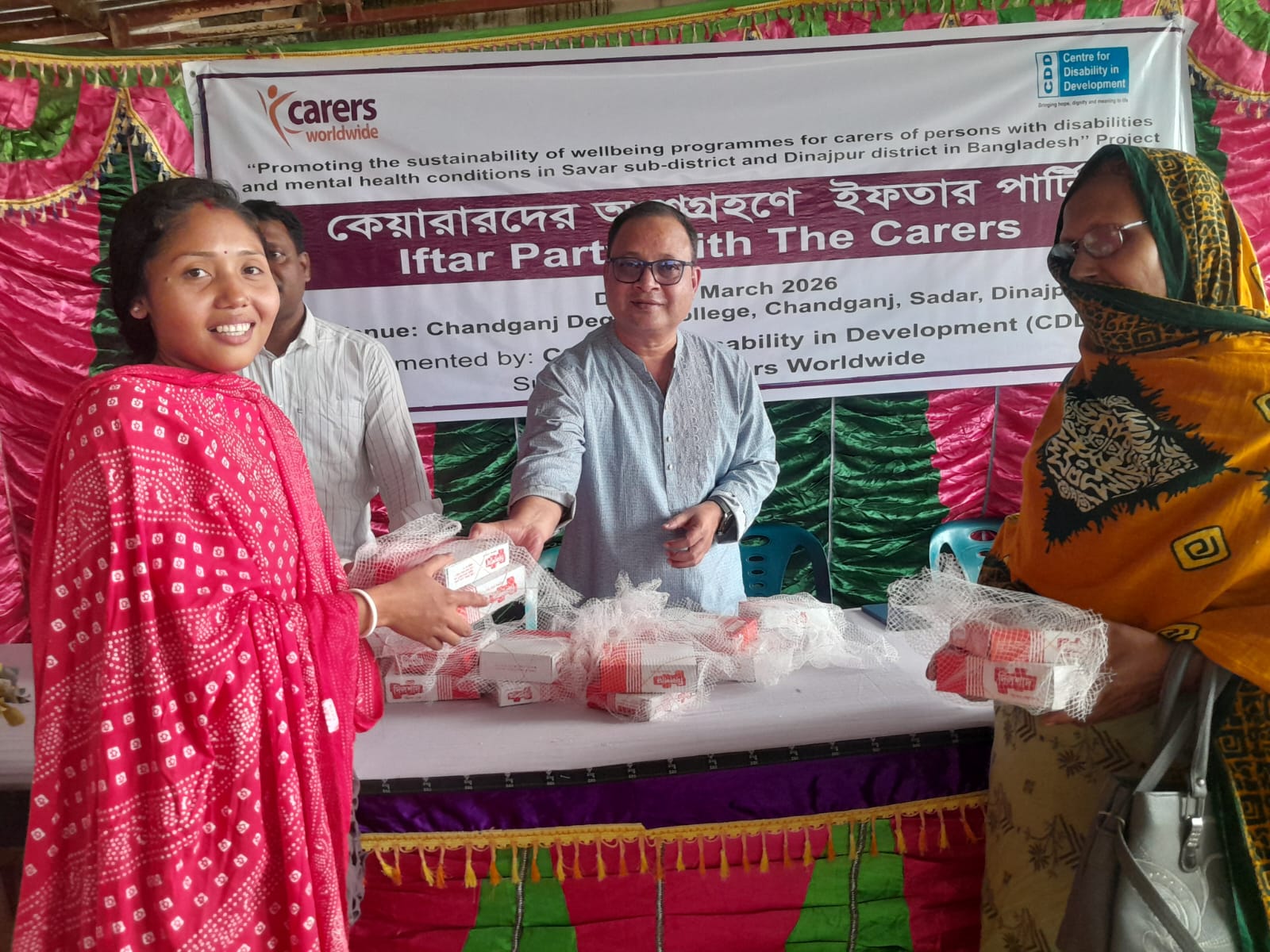
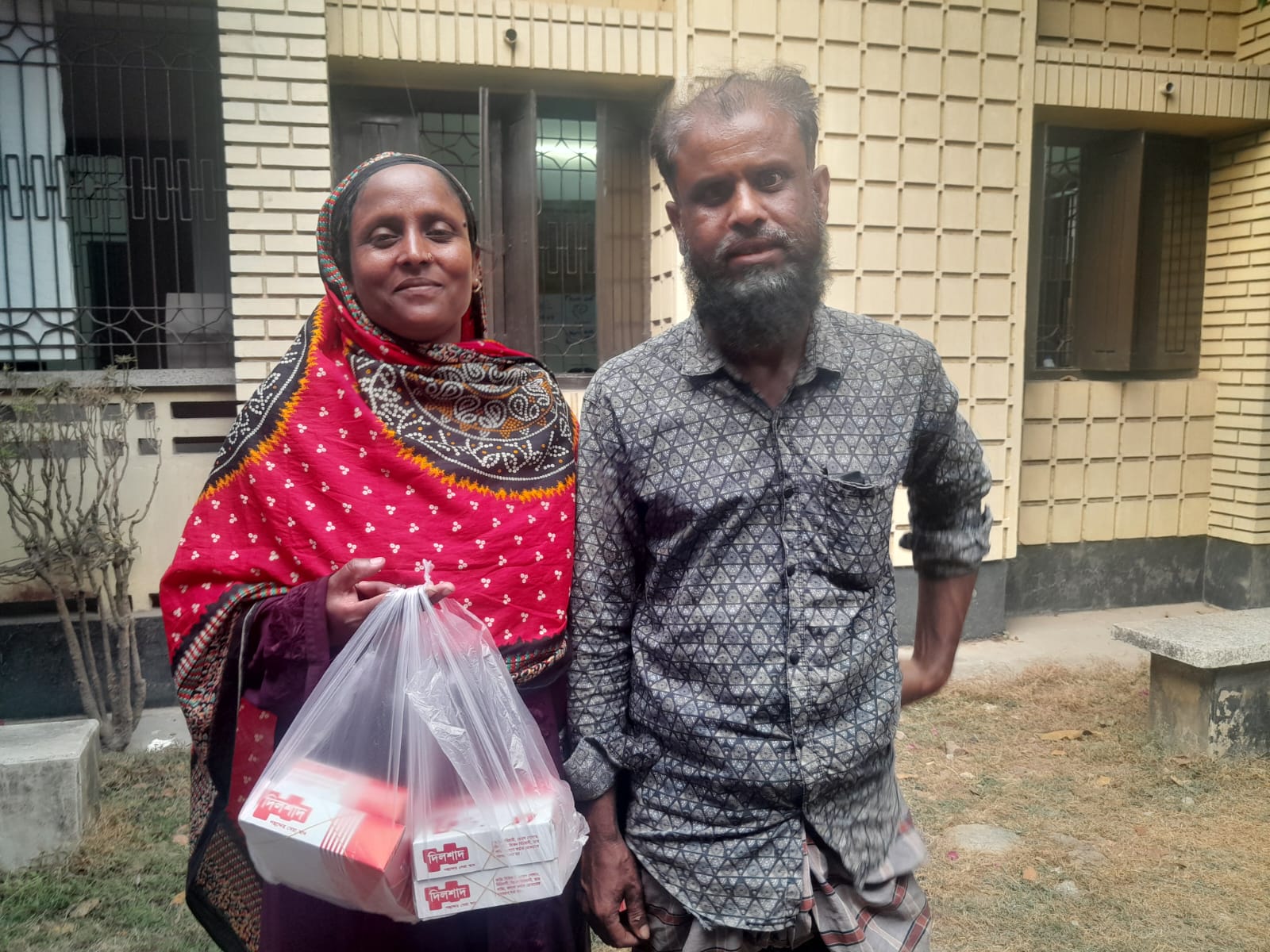
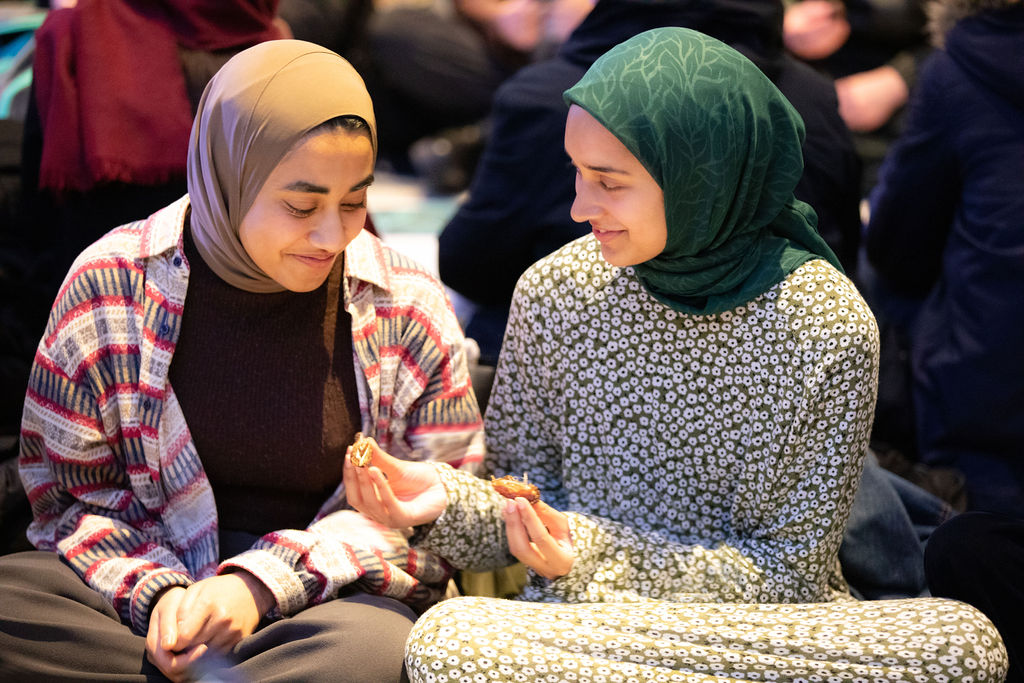
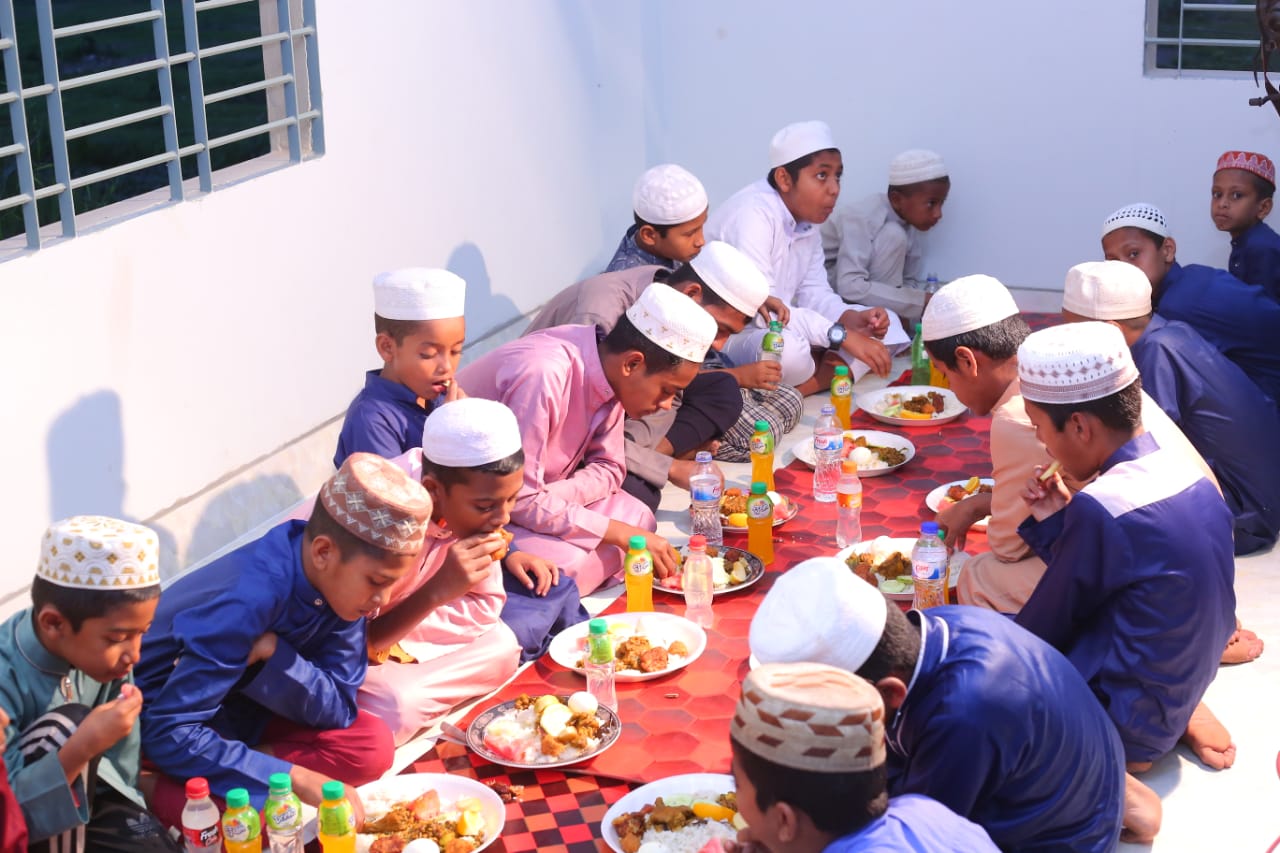
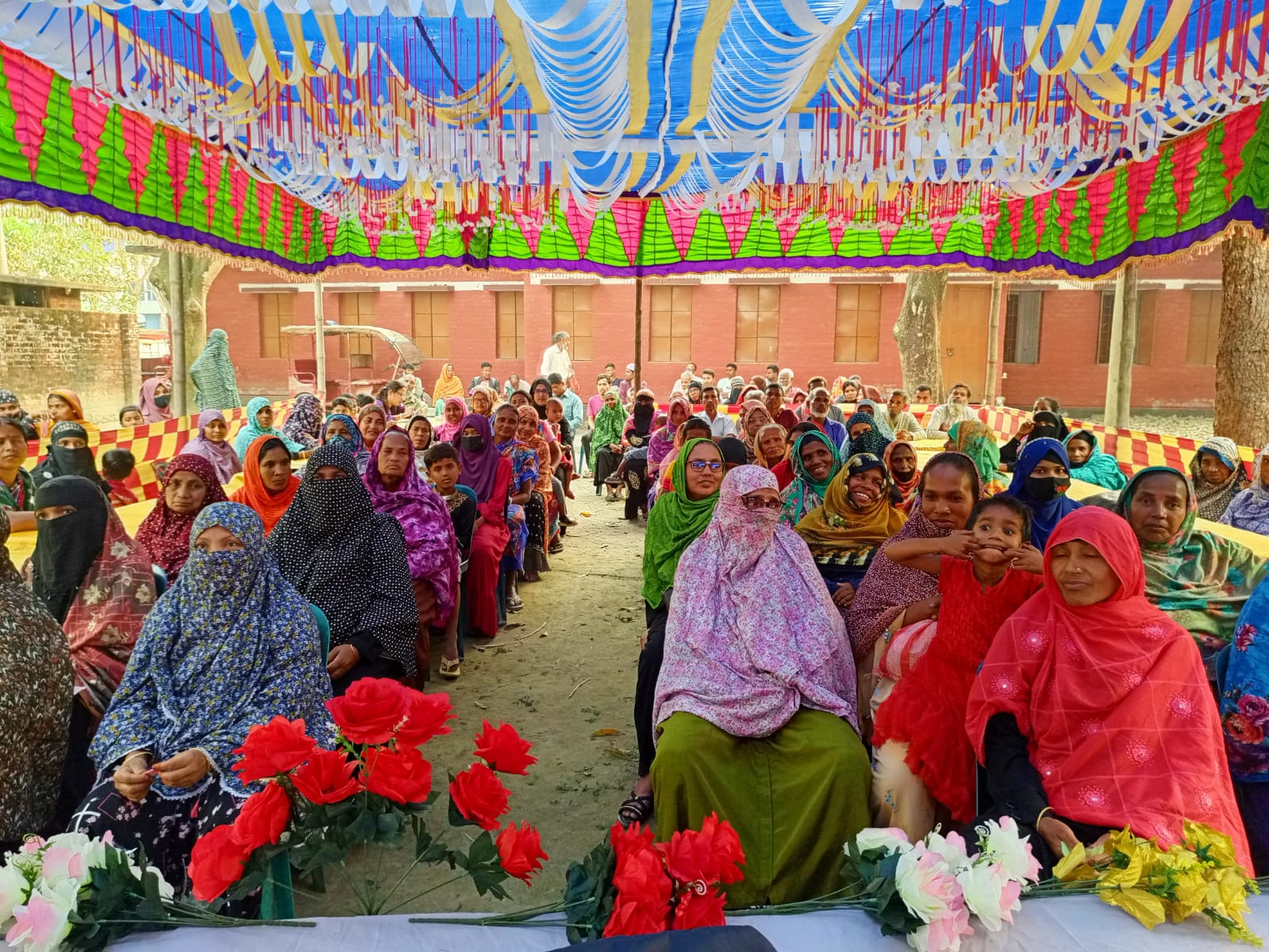
A cornerstone of the project was the organisation of four community Iftar gatherings across Chehelgazi, Fazilpur, Sheikhpura, and Dinajpur municipality. These events brought together over 600 carers and people living with mental health conditions, many of whom had never previously attended such communal occasions.
Beyond providing meals and food packages, the gatherings fostered connection and belonging in communities where stigma and exclusion are common.
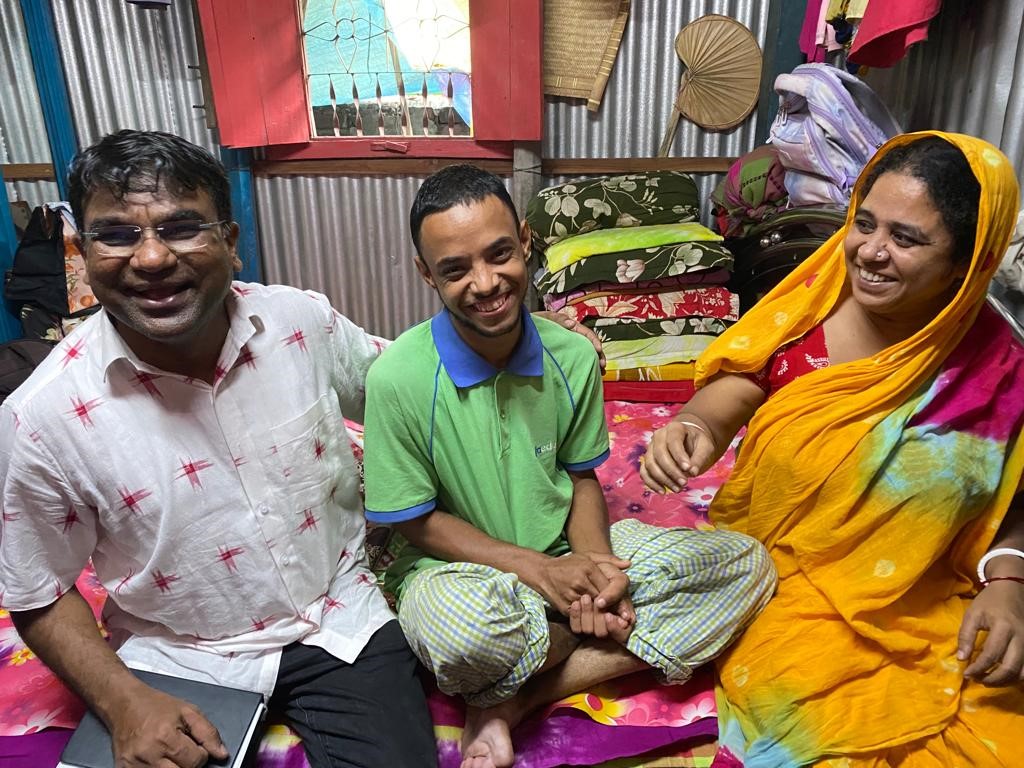
One participant, Rahena Begum, who cares for her husband, described the experience as life-changing:
“This is the first time in my life that I have attended an Iftar party… I have never experienced such joy anywhere before.”
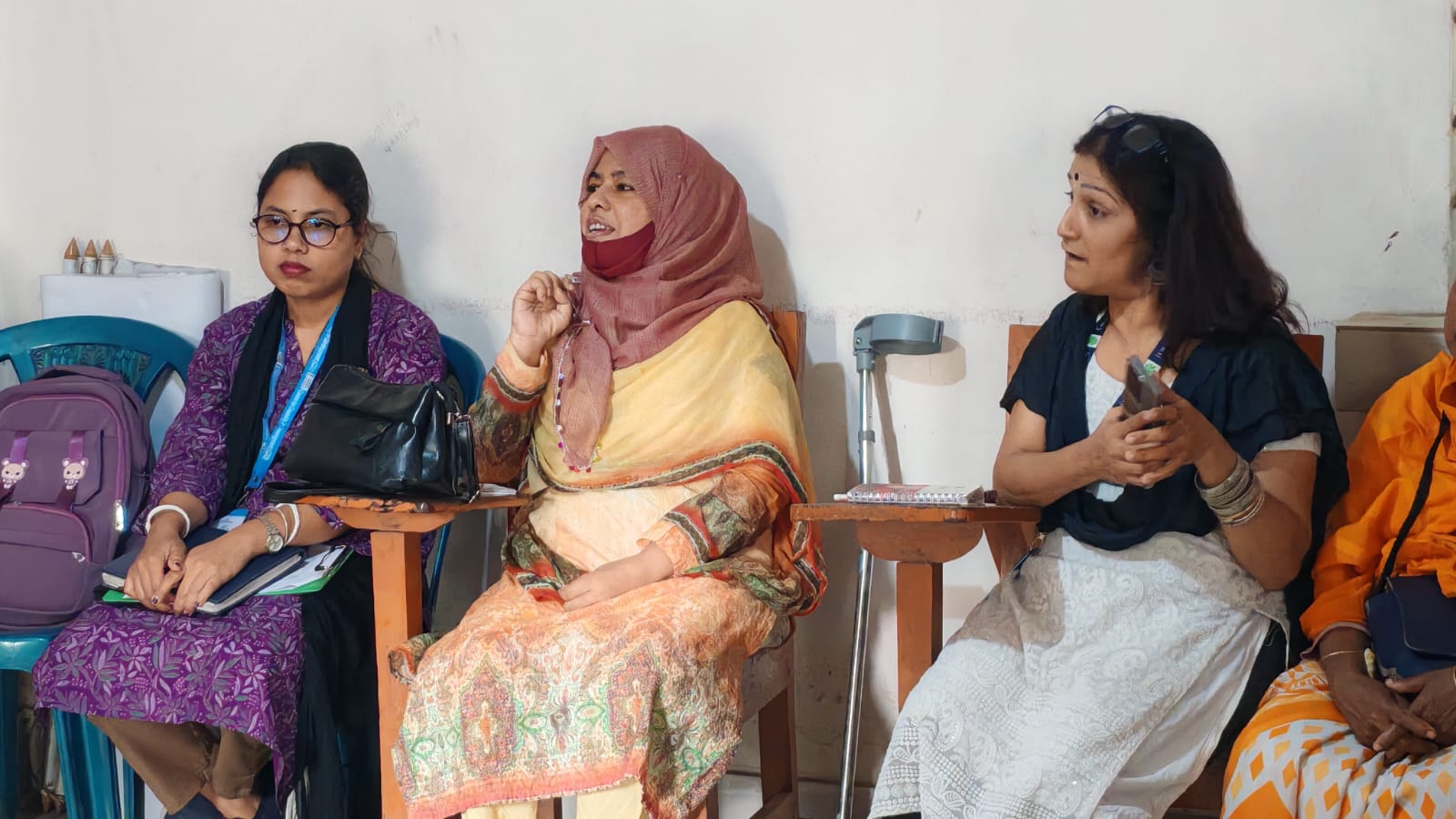
The project also delivered four awareness and advocacy sessions, engaging 133 participants, including carers, community leaders, healthcare professionals, and local government representatives.
These sessions created open dialogue around mental illness and highlighted the essential role of carers. They also strengthened links between families and service providers, helping improve access to medical care and social support.
As one healthcare professional noted: “Awareness at the community level is essential and carers play a vital role… Their contribution must be recognized.”
Recognising the physical toll caregiving can take, the initiative provided free eye screenings for 400 carers aged 35 and above. Of those screened, 302 carers received prescription glasses, while others were referred for specialist care.
For many, the impact was immediate and profound. One beneficiary shared:
“As soon as I tried the spectacles, everything looked clearer. I felt a sudden relief, like a burden was lifted.”
While the project delivered vital short-term relief during Ramadan, its longer-term impact is equally significant. By bringing carers into public spaces and encouraging dialogue, the initiative has begun to challenge deep-rooted stigma surrounding mental illness.
Carers who were once excluded from community life are now gaining recognition and support, and local stakeholders are better equipped to respond to their needs.
Carers Worldwide praised the partnership, noting that COSARAF’s support has “left a legacy in terms of community awareness and understanding of mental illness and caring.”
The success of this initiative underscores the importance of targeted Ramadan giving—not only in meeting immediate needs, but in driving sustainable social change.
COSARAF Foundation remains committed to supporting vulnerable communities worldwide and looks forward to building on this impactful collaboration in the future.