
The news
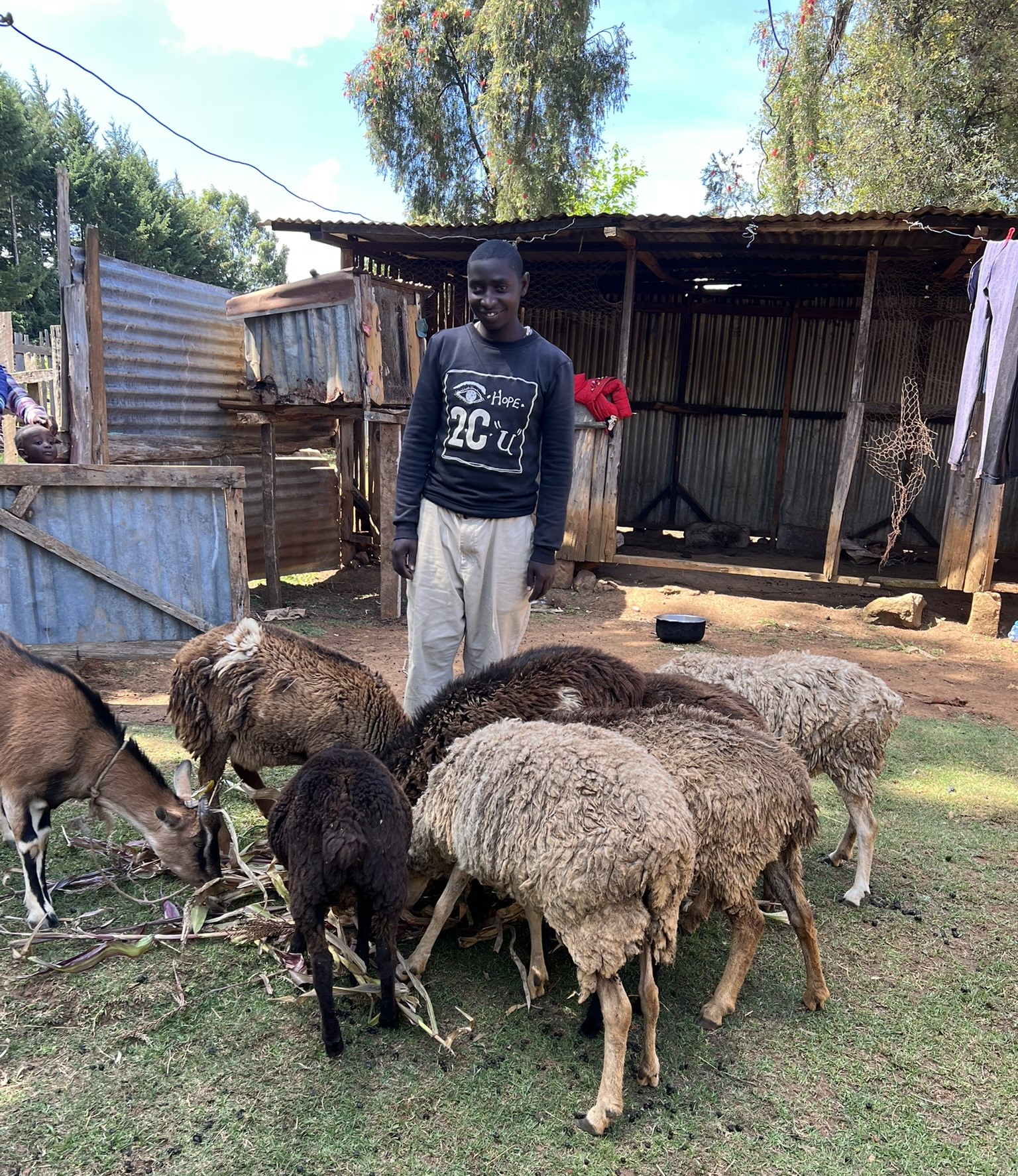
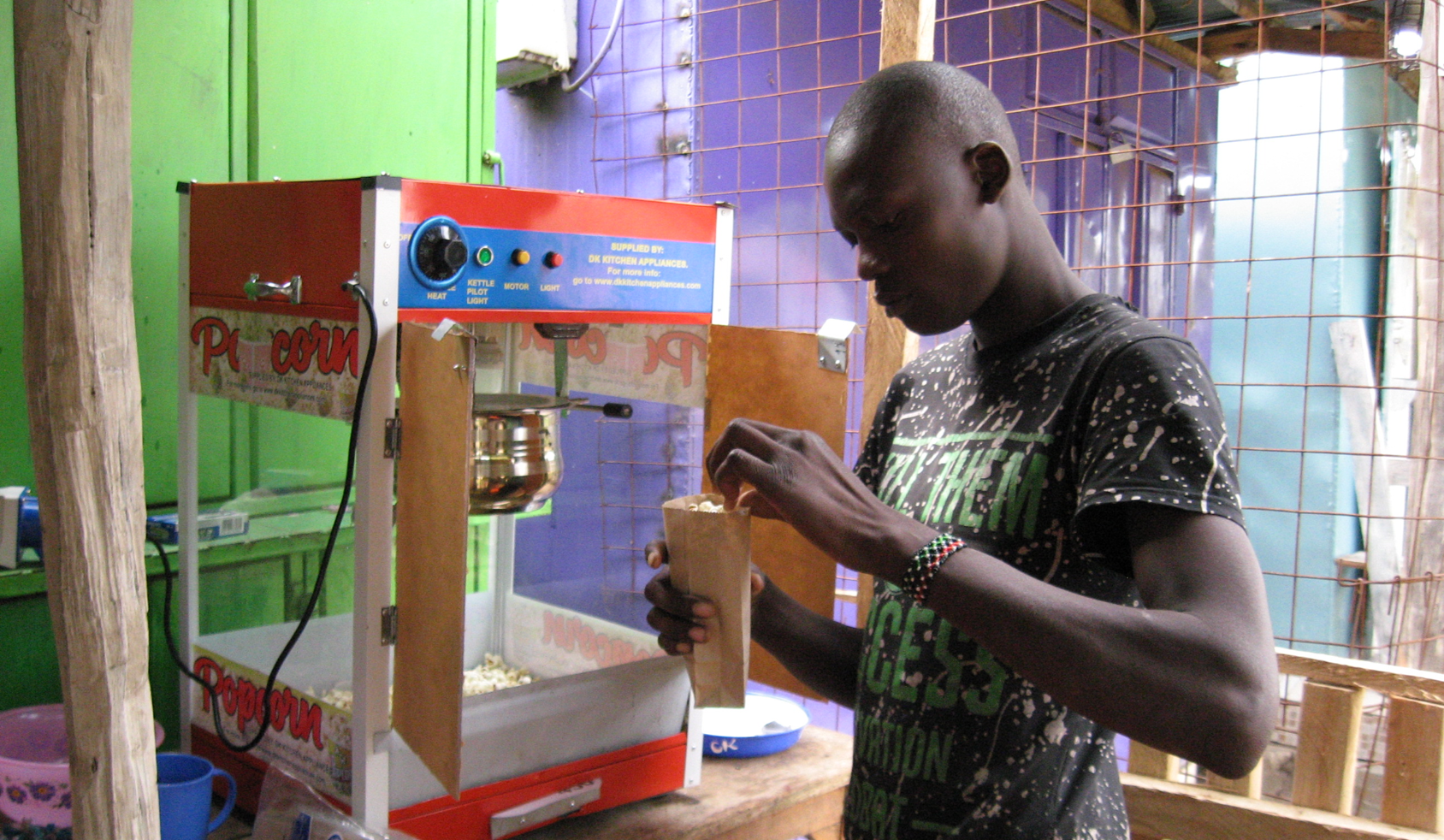
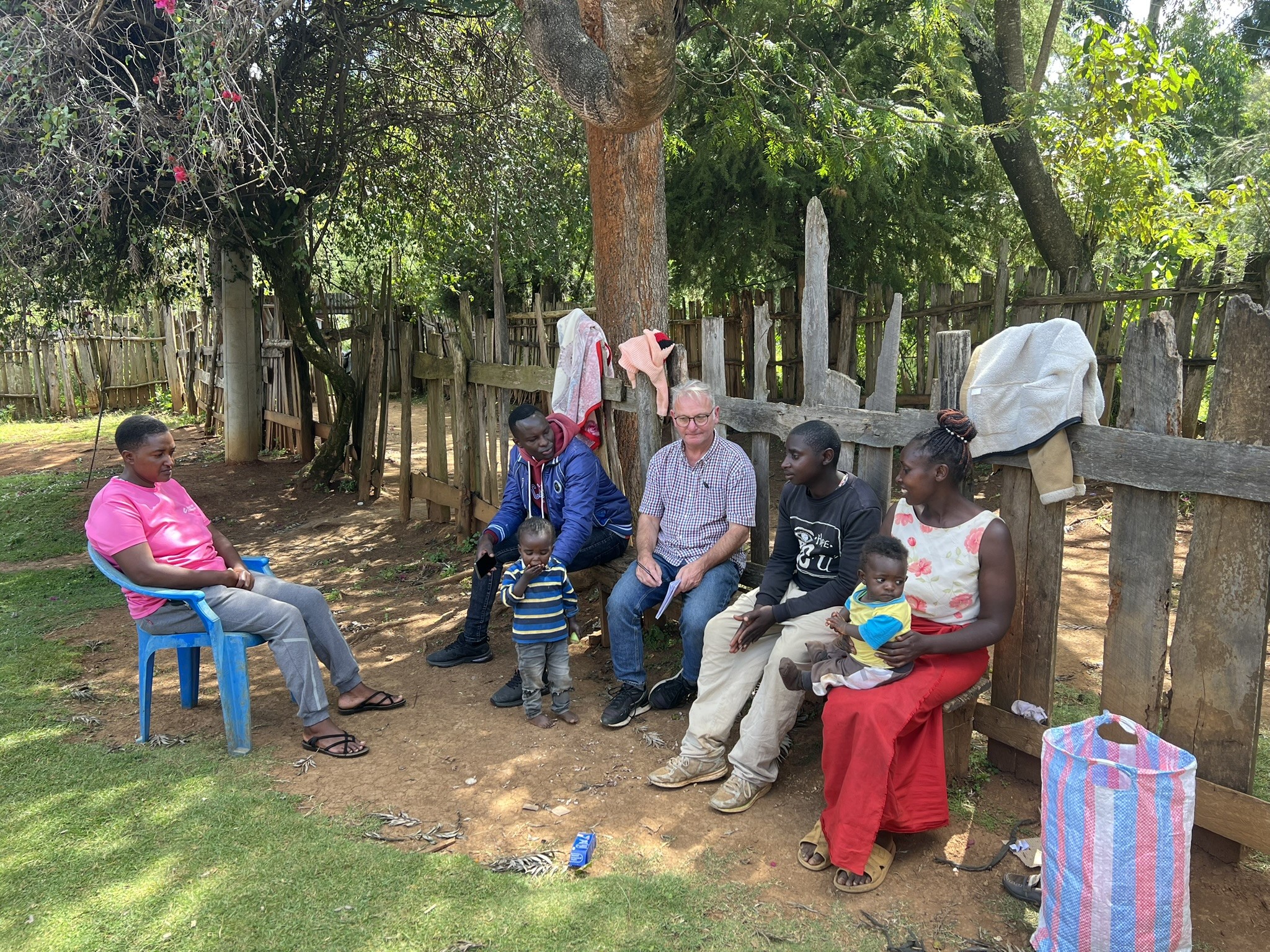
From 2024 to 2026, Advantage Africa successfully supported 54 young people with intellectual disabilities in Kenya to transition from school into adult life through income-generating activities. The project addressed a critical gap: structured support for young people beyond school age who face barriers to employment and independent living.
The project achieved strong results: 81% of participants’ transitions were rated Very Successful or Successful, and there were no unsuccessful cases. All 54 participants established and sustained their own income-generating activities, demonstrating both skill acquisition and practical independence.
Beyond financial empowerment, participants reported increased confidence, independence, and life skills. Many are now actively contributing to their family livelihoods and playing meaningful roles in their communities.
The program trained 29 teachers and facilitators, creating a network of local expertise that continues to support young people with disabilities. An additional 216 family members benefited indirectly, and teachers have continued applying and sharing their learning, extending the project’s impact beyond its immediate participants.
Advantage Africa influenced Kenya’s national teacher training curriculum by embedding transition planning for students with disabilities. This demonstrates the model’s potential for national replication and long-term systemic change, ensuring that more young people will benefit from structured support as they move into adulthood.
All enterprises established by participants remained active one year after project completion. The project delivered outcomes within budget, and careful resource management allowed additional beneficiaries to be supported.
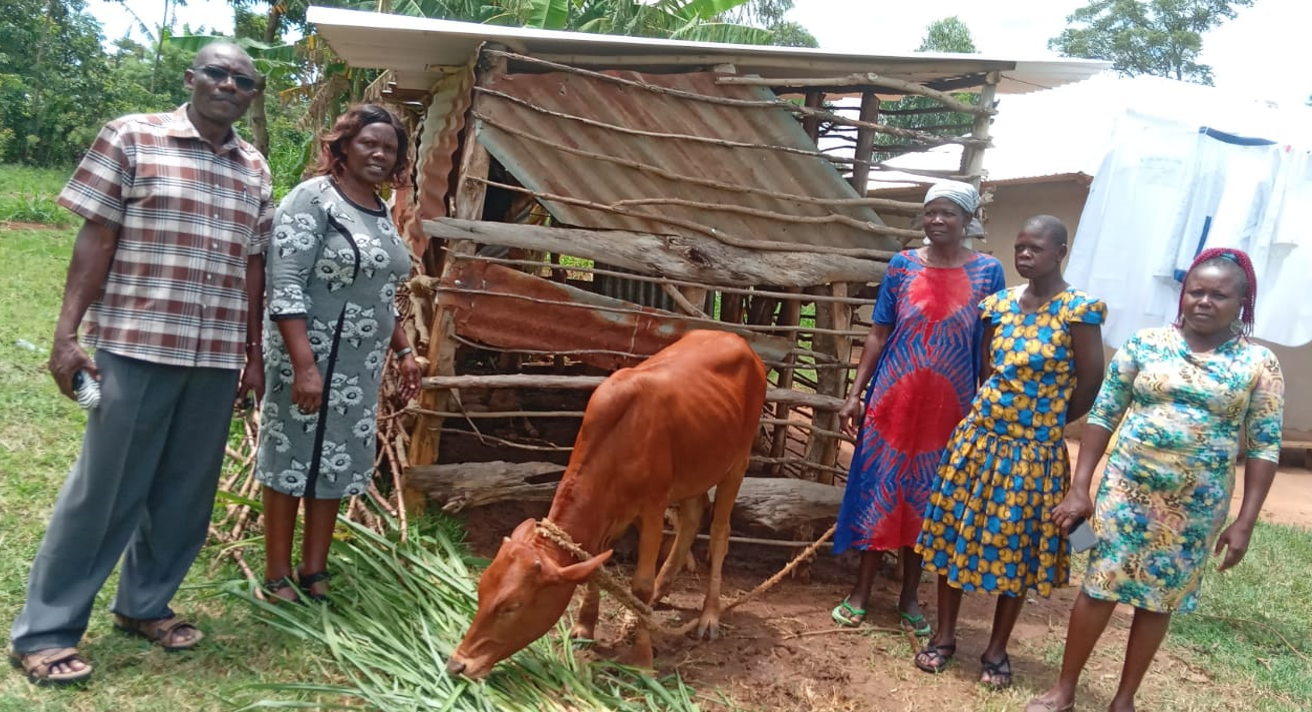
The project highlighted a significant unmet need for structured transition support for young people with disabilities who are beyond school age. It provides clear evidence that targeted, well-supported interventions can produce sustainable, life-changing outcomes.
Advantage Africa offers a scalable and sustainable model that improves the lives of young people with intellectual disabilities, strengthens family and community resilience, and informs national policy. The project stands as a strong example of how inclusive programs can create lasting social and economic impact.